The Infrastructure of Wellness: Building the Future of the UK Supplements Industry
The UK supplements market is no longer a niche space of vitamins on pharmacy shelves but a multi-billion-pound sector reshaping retail, manufacturing, and logistics. In 2024, it was worth close to USD 4.8 billion, and forecasts suggest it could nearly double over the next decade, growing at around eight per cent annually. This pace of expansion places enormous pressure on the infrastructure behind the sector. While consumer headlines tend to focus on trends in protein powders, gummies or wellness capsules, the real story lies in the facilities producing them and the networks delivering them safely and at scale.
Recent news of the Co-op teaming up with Holland & Barrett underlines how mainstream supplements have become. What was once the preserve of specialist outlets is now entering convenience aisles, embedded into everyday shopping habits. Yet this type of partnership only works if the supply chain beneath it is robust. Both retailers bring credibility and established sourcing networks.
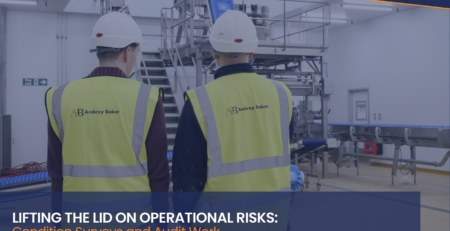
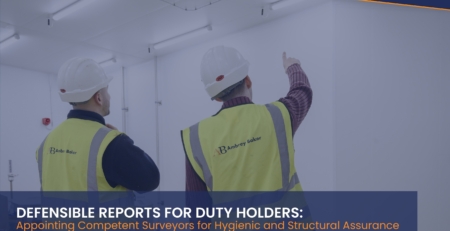
The facilities powering this boom are increasingly sophisticated. Manufacturers like Bee Health, operating an 80,000 sq ft high-care site in East Yorkshire, now produce hundreds of millions of capsules and powders every year under GMP conditions. Others, such as HTC Health, have carved out reputations by combining contract manufacturing with private label development, packaging, and compliance oversight. These are not simply production halls; they are laboratories, logistics hubs, and regulatory fortresses rolled into one. Each site must accommodate the dual pressures of food-grade hygiene standards and pharmaceutical-level traceability, because supplements occupy an unusual space in UK law, straddling wellness, food, and health regulation.
At the very top of the market, Vitabiotics continues to demonstrate how investment in facility capability translates directly into financial performance. Its revenues of over £200 million and healthy dividends are underpinned by decades of reinvestment in manufacturing scale and global distribution. That is a lesson echoed across the industry: consumer brands may carry the sheen of marketing, but it is the unseen backbone of compliant plants and resilient warehouses that underwrites growth.
There are wider pressures too. Demand for warehousing across the UK is already strained, with forecasts pointing to millions of square metres of extra space required nationally by the mid-2030s. Supplements, with their high SKU counts, complex handling requirements, and growing export flows, compete directly with e-commerce and even defence contracts for industrial real estate. This puts the onus on companies to plan carefully, automate intelligently, and in some cases partner with third-party logistics specialists to maintain service standards.
The UK’s supplements surge is, therefore, not just about consumer appetite for wellness but about the industrial machine that supports it. High-care manufacturing, accredited to ISO and HACCP standards, enables scalability while reassuring regulators and retailers. Logistics networks, designed with resilience in mind, ensure that product promises on the shelf are met in practice. And strategic partnerships—such as the Co-op and Holland & Barrett agreement—illustrate how supply-side strength is now as important as consumer-facing branding.
For those involved in construction, consultancy, and facility management, the message is clear. This sector’s trajectory depends less on product fads than on the infrastructure beneath them. Investments in cleanrooms, controlled-environment storage, and intelligent distribution hubs are not optional extras but the very foundations of growth. Those who can deliver certainty—through compliant design, operational efficiency, and long-term adaptability—will be the real enablers of the UK supplements market’s rise.
For further information or enquiries regarding project coordination, refurbishment and maintenance delivery, lifecycle planning, and support within live operational environments, please contact:
Matthew Waldeck – Head of Client Solutions