
Consolidation of sites
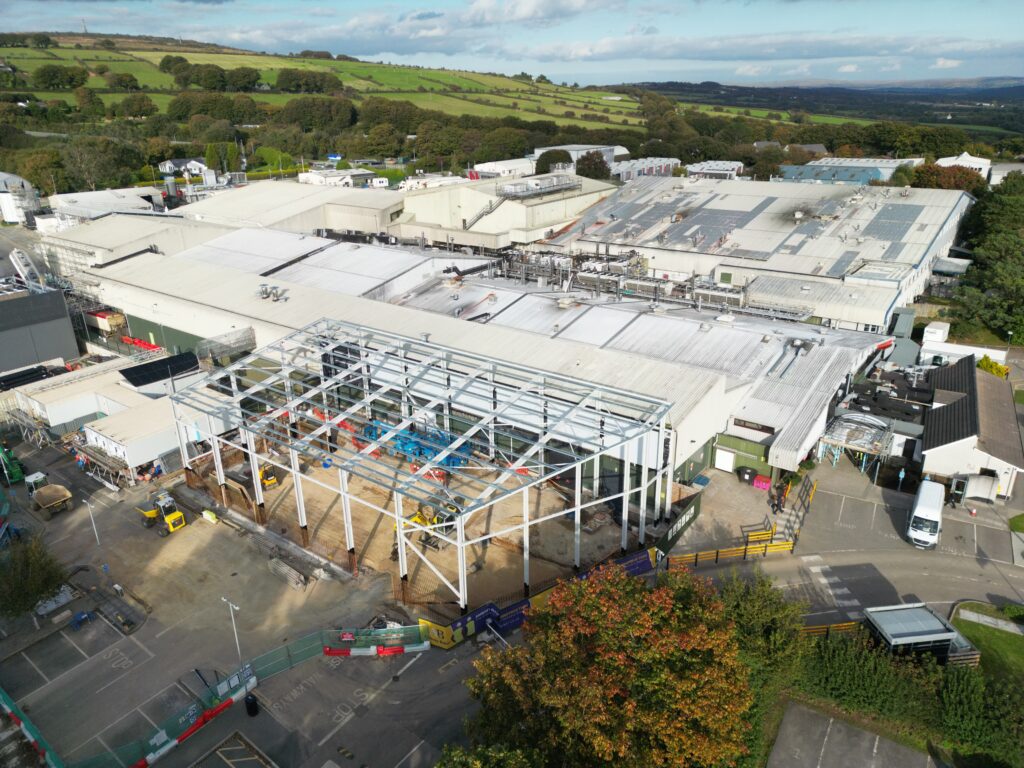
Site consolidation involves combining operations from multiple facilities into a smaller number of operational locations.
This is often undertaken to improve efficiency, reduce overheads and simplify logistics, but it also places new demands on the buildings and infrastructure that will receive the additional activity. A successful consolidation programme depends on understanding whether those facilities have the capacity, resilience and compliance basis to support the proposed change.
Ambrey Baker provides technical support for site consolidation projects across industrial, logistics, food production and temperature-controlled environments.
With almost 40 years of experience working within complex operational settings, our team assesses whether existing buildings, utilities and operational layouts can support increased occupancy, throughput, storage volumes or production demand.
Our reviews examine the condition, capacity and suitability of key elements including structural systems, floor loading, building services, refrigeration infrastructure, electrical capacity, drainage, fire precautions, access arrangements and internal operational layouts. We assess whether a site can accommodate additional production lines, storage systems, process equipment, material handling systems or increased vehicle movements without creating unacceptable operational or compliance risk.
Where consolidation involves physical changes to the building, we identify the upgrades or modifications that may be required to support safe and efficient operation. This can include changes to loading bays, cold storage systems, fire protection measures, internal layouts, utilities infrastructure, drainage arrangements or circulation routes.
Where relevant, our assessments can support clients in understanding issues associated with applicable UK legislation and operational requirements, including the Building Regulations 2010, the Health and Safety at Work etc. Act 1974, the Workplace (Health, Safety and Welfare) Regulations 1992 and the Regulatory Reform (Fire Safety) Order 2005.
For food production and hygiene-sensitive environments, layout changes may also need to support food safety and environmental control expectations commonly associated with BRCGS Food Safety certification. As of March 2026, BRCGS is still referring to Food Safety Issue 9 while consulting on Issue 10, so a generic reference to BRCGS Food Safety is the safest wording.
The findings from our assessments are presented in structured reports that identify operational constraints, required upgrades, investment implications and recommended actions. This enables organisations to make informed decisions about consolidation strategy while maintaining safe, efficient and compliant operations.
Ambrey Baker supports clients through the consolidation process from early feasibility assessment through to planning, design and delivery of building modifications where required. Our experience in complex industrial environments allows us to identify practical solutions that help facilities absorb increased operational demand with a clear understanding of risk, capacity and future requirements.
LIFECYCLE SUPPORT
Leading Specialists in Industrial Facilities
From early-stage consultancy & design, to Hard FM, repair, refurbishment, reconfiguration, capital works & decommissioning. We support essential facilities that need to remain safe, compliant & operational throughout their working life
Related Case Studies
-
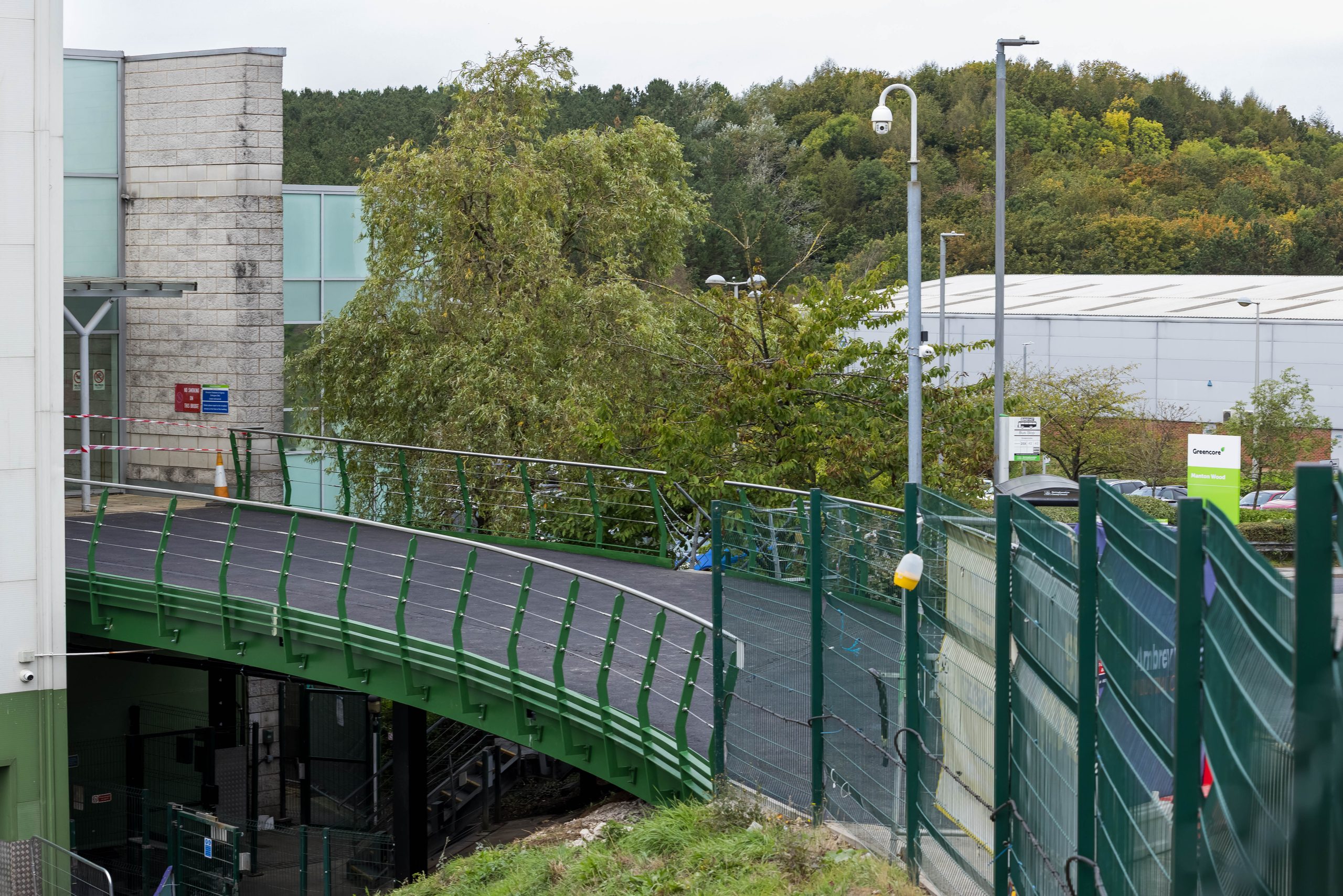
Bridge Balustrade and Structural Steelwork Replacement at Greencore
As principal contractor, Ambrey Baker managed the bridge balustrade and structural steelwork replacement works at Greencore’s facility in Worksop, Nottinghamshire.
-

Supporting a Growing Brazilian Street Food Producer Into Its First Large-Scale Manufacturing Facility
Supporting a Growing Brazilian Street Food Producer Into Its First Large-Scale Manufacturing Facility Client: Confidential Duration: 6 Weeks Location: East Midlands Year:…
-

Executing Critical Fire Separation Works Within a Live Pharmaceuticals Facility
Executing Critical Fire Separation Works Within a Live Pharmaceuticals Facility Client: Confidential Duration: 4 Weeks Location: North West, UK Year: 2025 Value:…