
Ceiling Panel Integrity Surveys
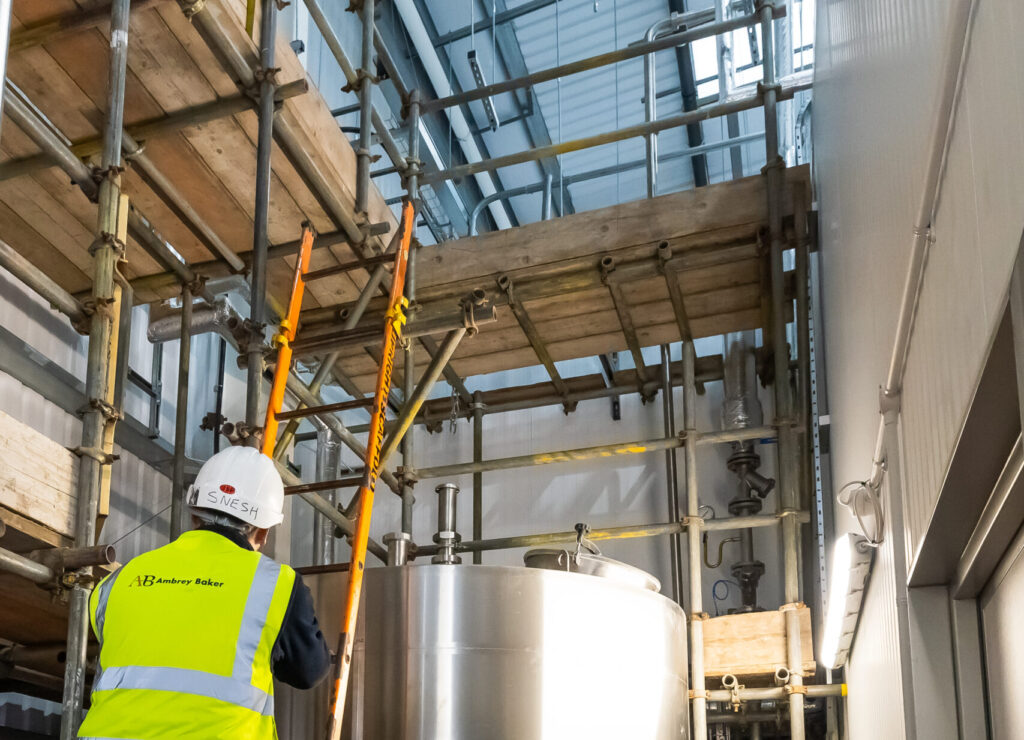
Ceiling Panel Integrity Surveys
Ceiling panel systems play an important role in food factories, cold stores and temperature-controlled facilities. They also support hygienic production, help protect controlled environments and form part of the wider building fabric.
Over time, moisture ingress, impact damage, corrosion and seal failure can affect insulated ceiling panels, voids, trims, fixings and service penetrations. Delamination and poor previous repairs can also cause problems. These issues can affect cleanability, food safety, fire performance, structural integrity and long-term operational use.
Ambrey Baker carries out ceiling panel integrity surveys for operational food, drink, pharmaceutical, logistics and cold chain facilities across the UK. Our surveys help clients understand the condition of their ceiling panel systems. They also identify defects and prioritise remedial works through clear, practical reporting.
With almost 40 years of experience in industrial and food-grade environments, our team understands the controls needed in live facilities. These include hygiene zoning, foreign body control, access planning, work at height and contamination control. We also consider the need to avoid disruption to production or storage operations.
Surveys for Food and Temperature-Controlled Environments
Clients often require ceiling panel integrity surveys to assess insulated panels, ceiling voids, support systems and service penetrations. These surveys can also support internal maintenance planning, insurer requirements, audit preparation, refurbishment planning and decisions around continued use.
Our inspections can review accessible ceiling panels, ceiling voids, supports, trims, hangers, fixings and service penetrations. Depending on the survey scope, we can also assess signs of water ingress, condensation, delamination and corrosion. Further checks may cover panel movement, joint failure, vapour seal defects and areas where further investigation may be required.
In food and cold chain environments, survey work must follow the site’s hygiene and operational controls. Therefore, our team considers access routes, segregation, cleaning requirements and production activity. We also plan the survey process to prevent contamination risks.
Survey Options
Ambrey Baker can tailor the survey scope to suit the condition of the facility, the client’s requirements and the level of assurance needed.
Visual Inspection
A visual inspection covers accessible ceiling panels, ceiling supports, trims and service penetrations. It is suitable for identifying visible defects such as corrosion, fatigue, joint damage, inadequate sealing, delamination, sagging, moisture staining and signs of panel degradation. The report can include a summary of findings, photographic evidence, marked-up drawings, severity ratings and recommendations for remedial works or further investigation.
Comprehensive Inspection
A comprehensive inspection provides a more detailed review of accessible ceiling panels, voids, supports, trims and penetrations. Where access allows, this may include close-up examination, selected physical checks and review of available design, maintenance or inspection records. This level of survey is suitable where the client needs a more detailed understanding of panel condition, support integrity, maintenance requirements and potential hidden defects.
BS Compliance Inspection
A BS compliance inspection focuses on installation, material and performance considerations against relevant British Standards and technical guidance where applicable. This may include panel identification, insulation core type, fixings, support systems, fire performance information, watertightness and evidence of degradation. This option is often suitable where clients need a structured compliance review for audit, insurance, due diligence or planned remedial works.
Clear Reporting and Prioritised Actions
Our survey reports are designed to support practical decision-making. Findings can be categorised using a Red, Amber and Green format so that clients can understand which issues need immediate action, which areas require planned attention and which areas are in acceptable condition at the time of inspection.
Reports can include:
- Summary of findings by area
- Photographic evidence of defects
- Marked-up drawings or plans
- Notes on access limitations
- Identification of areas requiring further investigation
- Recommendations for remedial action
- Severity ratings using Red, Amber and Green categories
- Commentary on visible panel condition, supports, trims and service penetrations
Where the survey identifies potential structural concerns, areas of restricted access or defects that require opening up, these limitations are clearly recorded. This gives the client a clear basis for next steps.
Competent Inspection in Live Facilities
Ceiling panel integrity surveys often inform decisions about continued use, remedial works, access restrictions, cleaning regimes and safety controls. For this reason, competence is important. Ambrey Baker’s approach combines building fabric knowledge, structural awareness and live-site survey planning. Our team understands the common failure modes found in insulated panel systems, including joint degradation, sealant failure, impact damage, delamination, moisture ingress, corrosion at fixings, loss of vapour control and condensation linked to thermal bridging.
Where required, we can support surveys with appropriate professional input for structural assessment, compliance review and remedial design. This is particularly important where the survey involves suspended ceiling supports, hangers, secondary steelwork, fixings, penetrations or load path concerns.
Supporting Maintenance, Compliance and Remedial Planning
A ceiling panel integrity survey gives facility managers, engineering teams and dutyholders a clearer understanding of the condition of their building fabric. It can help prioritise works, manage operational risk and support compliance with food safety, health and safety, insurer and audit expectations.
Ambrey Baker provides ceiling panel integrity surveys for live food factories, cold stores, pharmaceutical environments and industrial facilities where safe access, hygiene control and operational continuity are essential.
LIFECYCLE SUPPORT
Leading Specialists in Industrial Facilities
From early-stage consultancy & design, to Hard FM, repair, refurbishment, reconfiguration, capital works & decommissioning. We support essential facilities that need to remain safe, compliant & operational throughout their working life
Related Case Studies
-
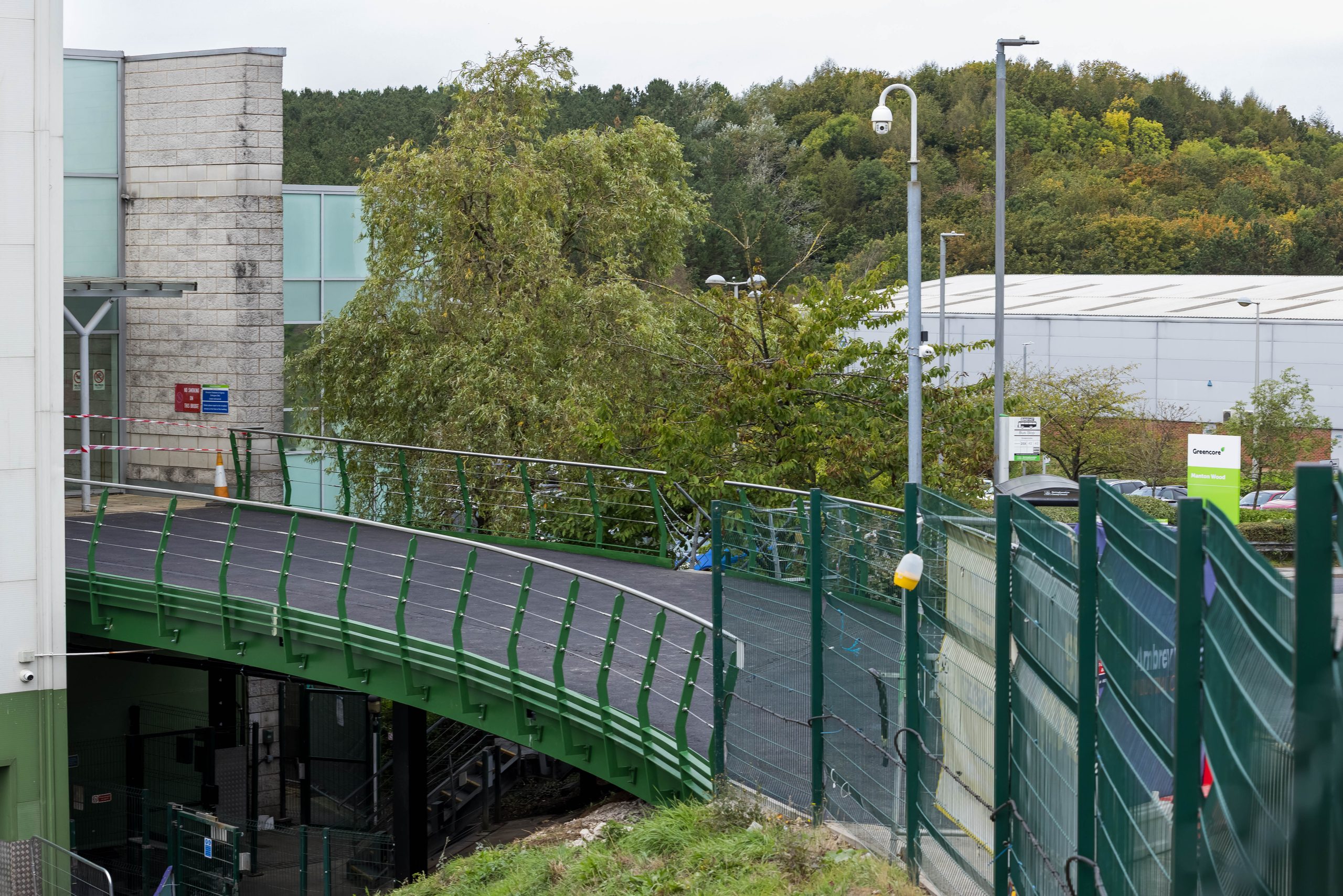
Bridge Balustrade and Structural Steelwork Replacement at Greencore
As principal contractor, Ambrey Baker managed the bridge balustrade and structural steelwork replacement works at Greencore’s facility in Worksop, Nottinghamshire.
-

Supporting a Growing Brazilian Street Food Producer Into Its First Large-Scale Manufacturing Facility
Supporting a Growing Brazilian Street Food Producer Into Its First Large-Scale Manufacturing Facility Client: Confidential Duration: 6 Weeks Location: East Midlands Year:…
-

Executing Critical Fire Separation Works Within a Live Pharmaceuticals Facility
Executing Critical Fire Separation Works Within a Live Pharmaceuticals Facility Client: Confidential Duration: 4 Weeks Location: North West, UK Year: 2025 Value:…