
Hazardous Materials Surveys (RAAC & Asbestos)
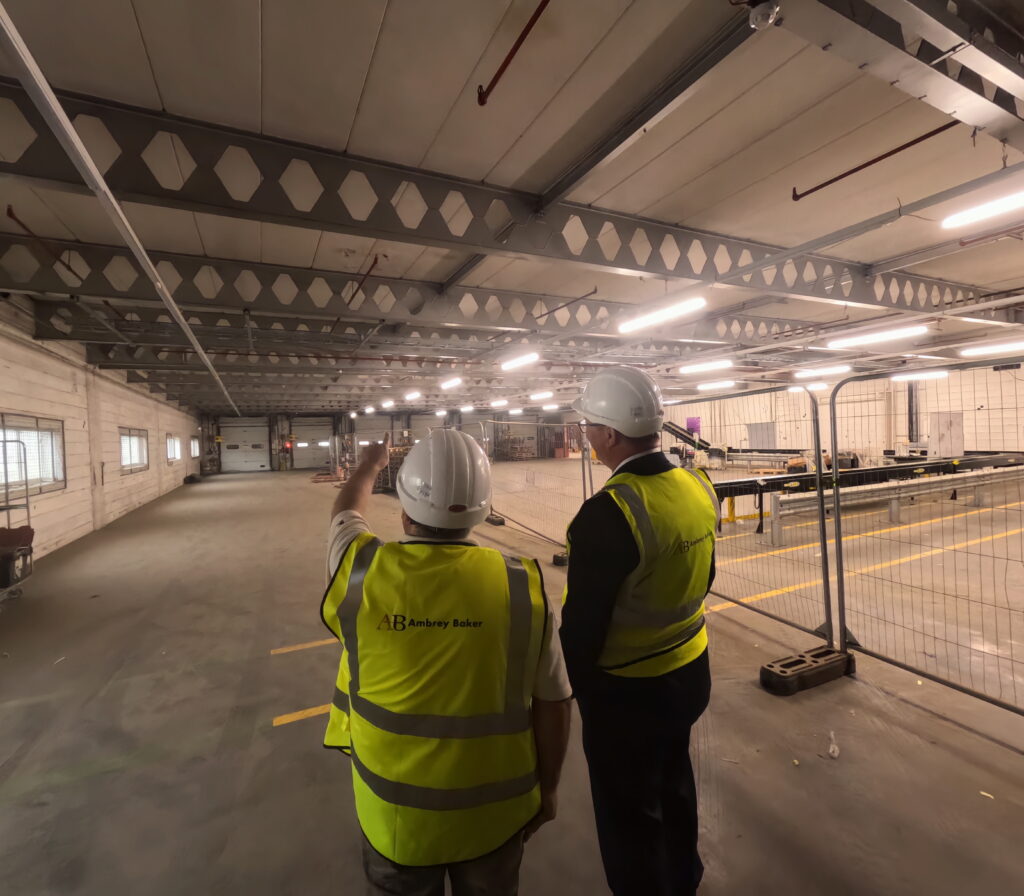
Hazardous materials and defective legacy construction materials can present serious safety, compliance, and operational risks within industrial and commercial buildings.
Ambrey Baker carries out specialist surveys to identify, assess, and help manage risks associated with reinforced autoclaved aerated concrete (RAAC) and asbestos-containing materials (ACMs).
As a result, our surveys provide clear technical information for safe occupation, maintenance, refurbishment, redevelopment and remediation planning.
With almost 40 years of experience working in complex industrial and food-grade environments, our team delivers surveys that are practical, technically robust, and suited to live operational sites.
Specialist Assessment of RAAC and Asbestos
Many industrial and commercial buildings constructed or altered during the twentieth century contain materials or structural elements that require careful assessment. UK buildings commonly used RAAC between the mid-1960s and mid-1980s, primarily in roof planks and occasionally in floors and walls. Construction materials widely used asbestos until its prohibition in 1999.
HSE guidance advises dutyholders to identify RAAC and obtain specialist advice where it may be present. Dutyholders must manage asbestos in non-domestic premises in accordance with the Control of Asbestos Regulations 2012.
Our surveys provide a clear understanding of the risks present and the actions required.
RAAC Surveys
RAAC can deteriorate over time and may present a structural risk if not properly identified and assessed. Moisture ingress and reinforcement corrosion often cause degradation. This can reduce structural performance.
Our RAAC survey support includes:
- identification of RAAC elements within roofs, floors, or structural components
- inspection of accessible areas and roof voids
- assessment of condition, including cracking, deflection, and moisture exposure
- advice on further investigation, access requirements, or structural appraisal
- reporting with risk-based recommendations for monitoring, repair, or replacement
Our reports support informed decision-making on maintenance, structural intervention, or redevelopment.
Asbestos Surveys
Asbestos surveys support dutyholders in identifying and managing asbestos-containing materials to prevent exposure risks. HSE guidance distinguishes between:
- management surveys for occupied buildings
- refurbishment and demolition surveys for intrusive works
Our asbestos survey support includes:
- identification of suspected ACMs in accessible areas
- sampling and analysis in line with agreed survey scope and recognised procedures
- use of UKAS-accredited laboratories for material testing
- asbestos register information and location records
- recommendations for management, encapsulation, removal, or further investigation
This information supports compliance, safe maintenance, and planned construction activity.
Surveys in Live Operational Environments
We carry out many surveys within active industrial, logistics and food production facilities where operations must continue. Our teams plan inspections to suit site constraints, access requirements, hygiene controls, and operational demands.
This approach helps teams complete survey work safely with minimal disruption.
Clear Reporting and Practical Next Steps
We support all surveys with structured technical reporting, including:
- inspection findings and photographic evidence
- material identification and test results where applicable
- risk classification aligned with relevant guidance
- recommended control measures or remediation strategies
- monitoring or maintenance requirements
This allows building owners, facilities managers, and project teams to manage risks and plan future works on a clear technical basis.
Where RAAC or asbestos risks are suspected within your building portfolio, Ambrey Baker can provide the survey and technical advice required to support safe and informed decision-making.

LIFECYCLE SUPPORT
Leading Specialists in Industrial Facilities
From early-stage consultancy & design, to Hard FM, repair, refurbishment, reconfiguration, capital works & decommissioning. We support essential facilities that need to remain safe, compliant & operational throughout their working life
Related Case Studies
-
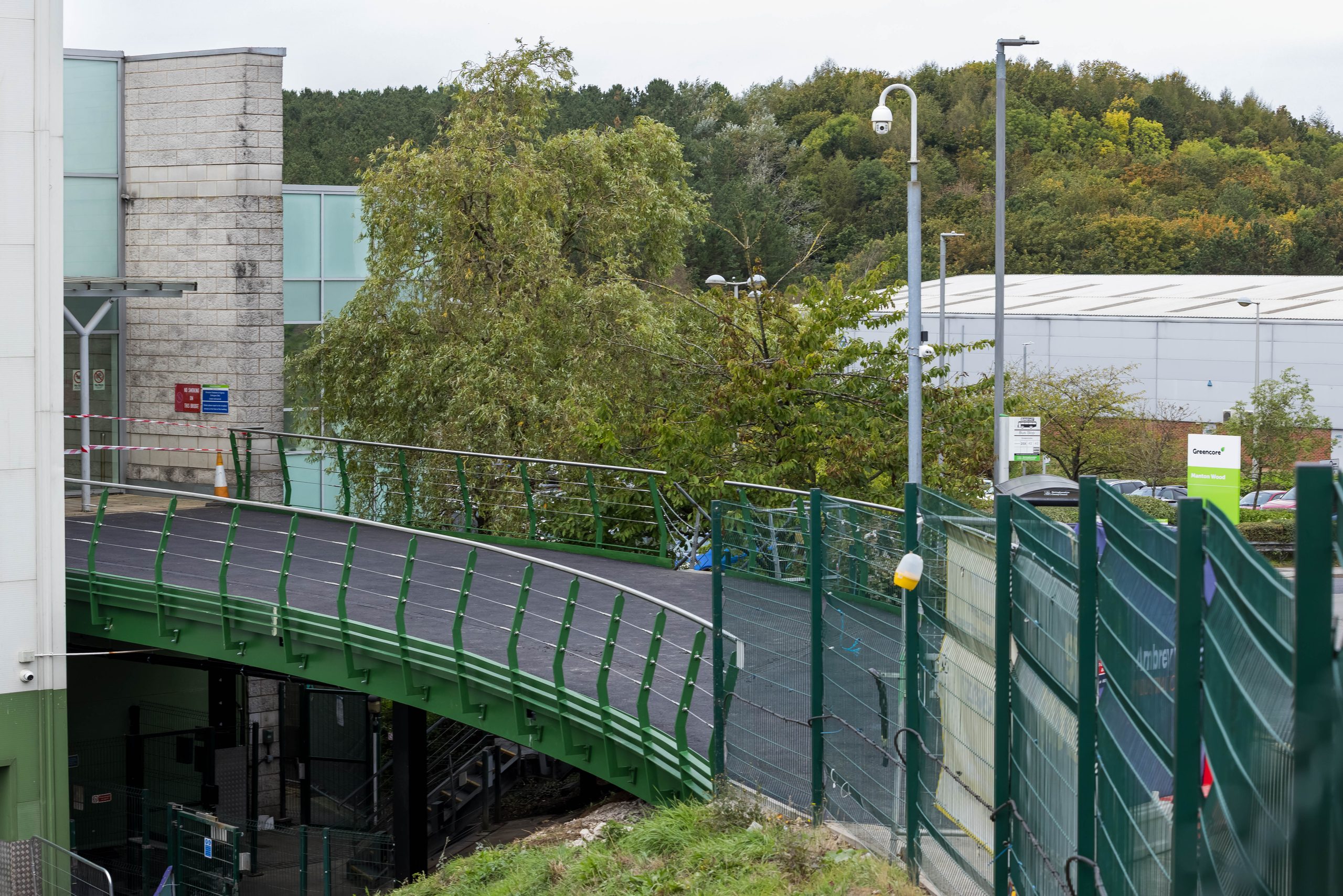
Bridge Balustrade and Structural Steelwork Replacement at Greencore
As principal contractor, Ambrey Baker managed the bridge balustrade and structural steelwork replacement works at Greencore’s facility in Worksop, Nottinghamshire.
-

Supporting a Growing Brazilian Street Food Producer Into Its First Large-Scale Manufacturing Facility
Supporting a Growing Brazilian Street Food Producer Into Its First Large-Scale Manufacturing Facility Client: Confidential Duration: 6 Weeks Location: East Midlands Year:…
-

Executing Critical Fire Separation Works Within a Live Pharmaceuticals Facility
Executing Critical Fire Separation Works Within a Live Pharmaceuticals Facility Client: Confidential Duration: 4 Weeks Location: North West, UK Year: 2025 Value:…