A Bucket Won’t Fix a Leaking Roof: Can Retailers Tackle Leaks Without Closing Their Doors?
As we move into the wetter autumn and winter months, prolonged rainfall can expose weaknesses in commercial roofing systems that may have gone unnoticed during drier periods. This is particularly relevant for large retailers, supermarkets and warehouses with extensive roof areas.
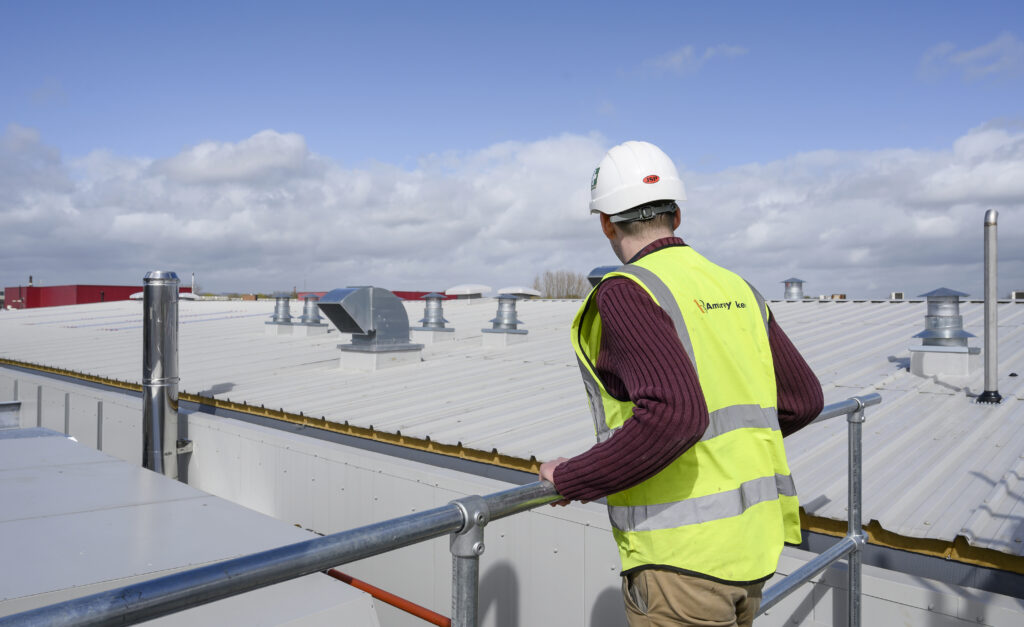
During a recent visit to a large retail store, several buckets were positioned beneath a leaking section of ceiling to collect the water. Despite these measures, occasional droplets were still falling outside the buckets, with a few even landing on a visitor’s head as they walked past. The incident raises a wider question about how commercial buildings can manage leaks effectively while continuing normal business operations.
A bucket is often the quickest response to water entering a building. It can help contain the immediate problem, but it leaves an important question unanswered: where is the water coming from, and what is being done to stop it?
Water entering through a roof can travel through insulation, structural details and ceiling voids before appearing inside a building, sometimes some distance from the original point of entry. The cause could be damaged waterproofing, defective roof details or problems with the rainwater drainage system. Identifying the source is essential before deciding on the most suitable repair.
For businesses operating in large premises, particularly those welcoming hundreds of customers throughout the day, a leaking ceiling presents a practical challenge. There is the risk of slips and falls, possible damage to stock and building materials, and the inconvenience caused to people using the space. If water reaches electrical equipment, the situation may require more urgent intervention. Water ingress can also lead to loss of production, lost sales, downtime and additional operating costs, including temporary protection, drying equipment, specialist cleaning and additional labour. These disruptions may also result in consequential financial losses.
Many commercial roof repairs can be carried out while a business remains open, depending on the nature of the defect, roof construction, access arrangements and safety requirements. Contractors may be able to complete localised repairs while trading continues elsewhere in the premises. The affected area may need to be isolated, with work carefully coordinated around customers, staff and deliveries.
Of course, every situation is different. Working at height, adverse weather, fragile roof areas and the possibility of falling materials must all be considered. Some repairs may need to be postponed until conditions improve, while more serious problems could require temporary closure of part or all the premises.
This is where communication between building managers, maintenance teams and experienced roofing contractors becomes particularly valuable. A clear understanding of the problem can help determine whether an immediate repair is possible, whether temporary weatherproofing is appropriate or whether more extensive work needs to be scheduled.
The current wet weather also highlights the value of inspecting commercial roofs before defects become visible inside the building. Blocked outlets, deteriorating roof details, damaged coverings and ageing seals can allow water to enter, particularly during prolonged periods of rainfall. Regular inspections and timely maintenance give property managers an opportunity to identify and address these issues earlier. A preventative approach in lieu of reactive approach.
For retailers and facilities managers, the priority should be to investigate leaks promptly, protect everyone using the building and assess whether repairs can be completed safely while normal operations continue.
A bucket may be necessary when a leak first appears. What matters is having a clear plan for what happens next.
LIFECYCLE SUPPORT
Leading Specialists in Industrial Facilities
From early-stage consultancy & design, to Hard FM, repair, refurbishment, reconfiguration, capital works & decommissioning. We support essential facilities that need to remain safe, compliant & operational throughout their working life